Ten Years Alive öppnar i tystnad med en visning av 'Declarative Mode' — ett hallucinatoriskt verk från slutet av 1970-talet av Paul Sharits för två överlappande 16mm filmprojektorer.
Därefter kommer kompositören Daniel Blumberg att uppträda tillsammans i en trio med saxofonisterna Seymour Wright och John Butcher till bilder från Gianfranco Rosis Venedig-prisbelönta dokumentär Pompei — Below The Clouds, i en speciell montage redigerad av regissören.
Presenteras i samarbete med Moderna Museet.
nb: detta program innehåller blinkande / stroboskopiska ljus!

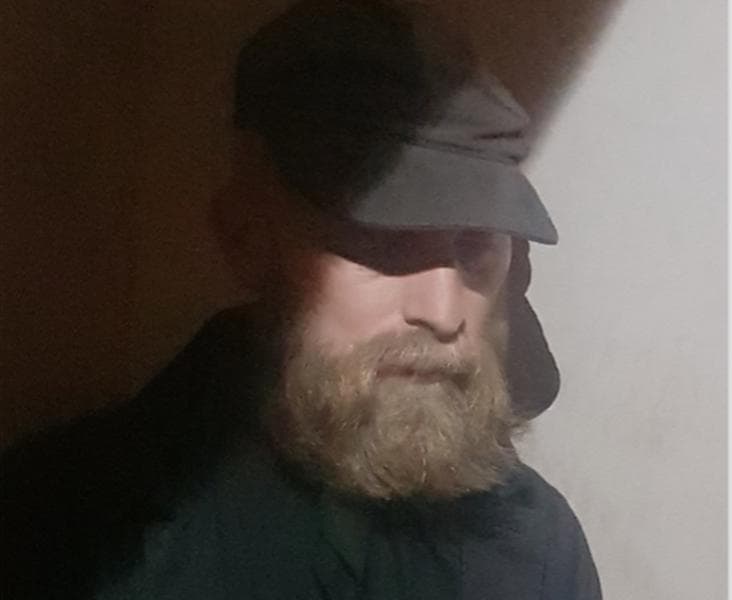
Daniel Blumberg är en Londonbaserad kompositör och konstnär vars praktik sträcker sig över låtskrivande, improvisation, teckning och ljud.
Han har släppt fyra soloalbum på Mute - Minus (2018), Liv (2019), On&On (2020) och Gut (2023) - och komponerat musik för filmer inklusive The Brutalist (regi Brady Corbet, 2024), Sotto le Nuvole/Pompei: Below The Clouds (regi Gianfranco Rosi, 2025) och The Testament of Ann Lee (regi Mona Fastvold, 2025). År 2025 tilldelades han en Oscar och BAFTA för sin musik till The Brutalist.
Blumberg är också en bildkonstnär som tecknar med silverstift. Hans verk har ställts ut på Balice Hertling Paris, Triennale di Milano, ICA London, Kunsthal Rotterdam, Deichtorhallen Hamburg och KW Institute for Contemporary Art Berlin.
Gianfranco Rosi is an award-winning Italian filmmaker. His 2013 film Sacro GRA was the first documentary to win the Golden Lion at the Venice Film Festival. Fire at Sea (2016) won the Golden Bear at the Berlin Film Festival and was nominated for an Academy Award. In 2025, Below the Clouds received the Special Jury Prize at the Venice Film Festival.
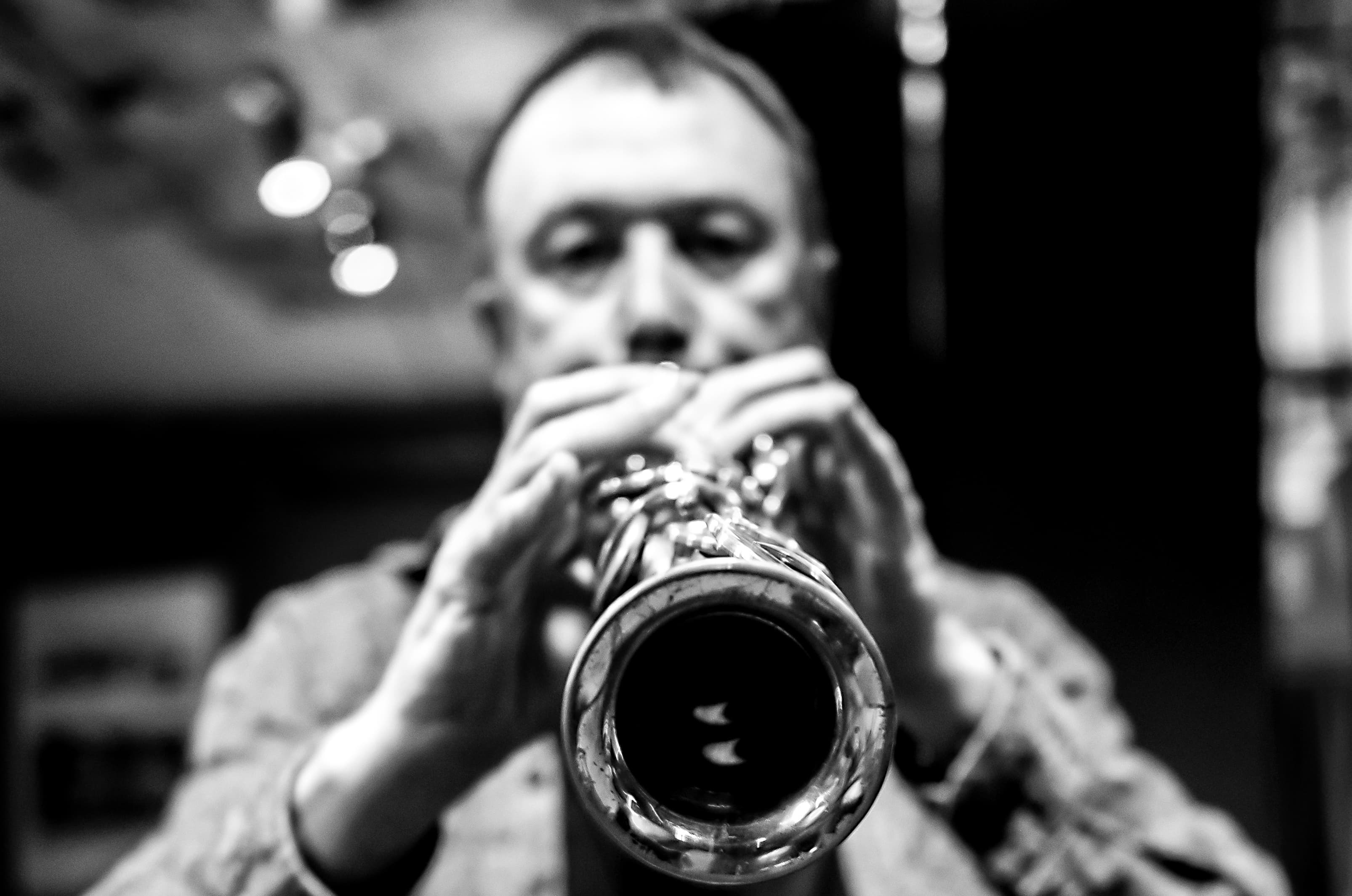
Seymour Wright is a saxophonist. His work is about the creative, situated friction of learning, ideas, people and the saxophone – music, history and technique – actual and potential.
Seymour's solo music is documented on four widely-acclaimed collections - Seymour Wright of Derby (2008), Seymour Writes Back (2015) , Is This Right? (2017) and RITES (2023).
Current projects include: @xcrswx with Crystabel Riley; abaria with Ute Kanngiesser; [Ahmed] with Antonin Gerbal, Joel Grip and Pat Thomas; GUO with Daniel Blumberg; XT with Paul Abbott; The Creaking Breeze Ensemble; a trans-atlantic duet with Andy Guthrie, and, with Jean-luc Guionnet a project addressing an imaginary lacunae in Aby Warburg's Atlas Mnemosyne.
@xcrswx
Born in Brighton and living in London, John Butcher is a saxophonist whose work ranges through improvisation, his own compositions, multitracked pieces and explorations with feedback, unusual acoustics and non-concert locations. He is well known as a solo performer who attempts to engage with a sense of place. Resonant Spaces, for example, is a collection of performances recorded during a tour of unusual locations in Scotland and the Orkney Islands.
Butcher originally studied Physics, but after publishing a PH.D (1982) in quantum chromodynamics, Butcher left academia and took off with music. He has since collaborated with hundreds of artists, some for many decades. To name a few: Derek Bailey, Akio Suzuki, John Stevens’ Spontaneous Music Ensemble, Sophie Agnel, Rhodri Davies, Matthew Shipp, Gerry Hemingway, Chris Burn, Polwechsel, Magda Mayas, Gino Robair, Thermal (Andy Moor & Thomas Lehn), Christian Marclay, Eddie Prévost, Okkyung Lee, John Russell, and Phil Minton.
Butcher values both permanent groups and occasional encounters and operates within a network of artists also interested in the dynamics of spontaneity and shared history.
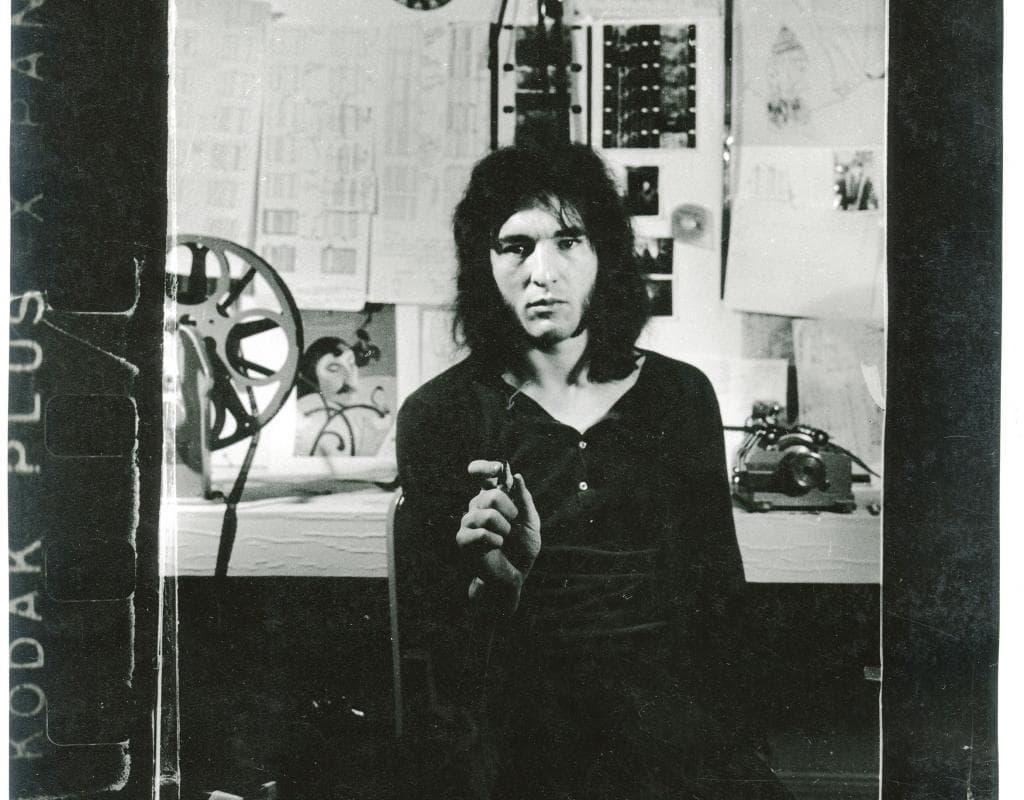
Paul Jeffrey Sharits (1943–1993) was an American visual artist and avant-garde filmmaker widely regarded as one of the most radical and influential figures in post-World War II experimental cinema.
Sharits spent his life pushing the boundaries of film as a medium, stripping cinema down to its rawest elements—light, color, duration, perception, and materiality—and rebuilding it into something elemental, visceral, and deeply physical.
"With colors, therefore, in reciprocal relationships with each other within space and over time, Sharits creates new hues not actually present upon the film through their co-temporal blending and through after-image retention. It's a a complex phenomenon that yields sublime transitions across a spectral range, while the inner frame pulses with illusionistic movement as the hues change from warm to cool." – Anthony Bannon on 'Declarative Mode' (Buffalo Evening News)